5 Ayurvedic Herbs for Sleep

Looking for Ayurvedic herbs for sleep? Ayurveda has relied on five classical calming herbs: Ashwagandha, Brahmi, Shankapushpi, Jatamansi, and Tagara. This guide walks through each, then shows how Sri Sri Tattva Deep-SLP Sleep Well combines them into a single daily formulation.

Shop Deep-SLP Sleep Well

Ashwagandha: The Adaptogen for Everyday Stress Support

Ashwagandha (Withania somnifera) is among the most studied Ayurvedic herbs for sleep in modern research. In Ayurveda, it is classified as a Rasayana — a rejuvenative herb traditionally used to support vitality and calm at once within a balanced daily routine. Research suggests Ashwagandha may support a healthy stress response, which is why it is often associated with everyday sleep support within Ayurvedic tradition. Traditionally, the whole root is used rather than isolated fractions, which reflects classical Ayurvedic preparation.

Shop Deep-SLP Sleep Well

Brahmi: The Medhya Rasayana for a Quiet Mind

Brahmi (Bacopa monnieri) is a classic Ayurvedic Medhya Rasayana — an intellect-supporting rejuvenative traditionally used to quiet a busy mind before rest.

  • Sanskrit name — Brahmi, associated with expanded awareness
  • Botanical family — Plantaginaceae
  • Traditional role — calms the mind, supports restful sleep indirectly
  • Best suited — racing thoughts, overthinking at bedtime

Some early research suggests cognitive support benefits. Direct sleep-outcome research is preliminary, so traditional-use framing applies to any sleep-specific benefit.

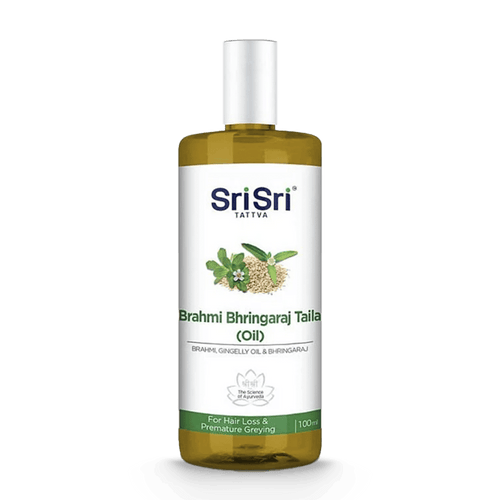
Shop Brahmi

Key Black Seed Oil Benefits for Everyday Wellness

Shankapushpi (Convolvulus pluricaulis) is another of the four classical Medhya Rasayanas named in Ayurvedic texts alongside Brahmi.

  • Sanskrit name — Shankapushpi, meaning "conch flower."
  • Botanical family — Convolvulaceae
  • Traditional role — calms vata, supports mental peace and sleep cycle
  • Typical form — usually part of a multi-herb blend

Rarely sold as a single herb in the US market, Shankapushpi is one reason classical Ayurvedic sleep formulations tend to combine several herbs rather than feature only one.

Shop Deep-SLP Sleep Well

Jatamansi: The Ancient Nervine

Jatamansi (Nardostachys jatamansi) is one of the oldest recorded nervine herbs, used across ancient India, Greece, and the Mediterranean, where it was known as spikenard in classical texts.

  • Sanskrit name — Jatamansi, meaning "matted hair" for the rhizome's fibers
  • Botanical lineage — the valerian family
  • Traditional role — nervine, traditionally used to support mental calm
  • Evidence level — preliminary modern research, deep classical tradition

Jatamansi typically appears in classical multi-herb sleep formulations rather than as a standalone product on the US supplement shelf.

Tagara: The Ayurvedic Valerian

Tagara (Valeriana wallichii) is the Ayurvedic counterpart to Western valerian, from the same botanical lineage.

  • Sanskrit role — Nidrajanana, meaning "sleep-producing," per classical texts
  • Botanical lineage — valerian family
  • Companion herbs — traditionally paired with Jatamansi and Shankapushpi
  • Evidence level — Western valerian research is more established; Valeriana wallichii research is more limited

This classical multi-herb tradition is why formulations like Sri Sri Tattva Deep-SLP Sleep Well combine several classical herbs rather than relying on any single one.

How to Combine Ayurvedic Sleep Herbs

The classical Ayurvedic tradition rarely isolates a single herb for sleep. Sourcing five herbs separately is not practical for most US readers, which is where an Ayurvedic multi-herb formulation earns its place.

  • Synergy — classical Ayurvedic multi-herb principle in one product
  • Practicality — one tablet, one routine, easier consistency
  • Quality — GMP-certified, heavy metal tested as a complete formulation

Sri Sri Tattva Deep-SLP Sleep Well is the most-reviewed sleep product on the site, backed by over 35 years of R&D and 100% net profits donated to SKY Schools and Project Welcome Home Troops.

Safety and When to Talk to a Provider

These herbs have long records of traditional use, but individual circumstances matter before starting any daily routine.

  • Pregnancy and breastfeeding — consult a healthcare provider first; some herbs, including Ashwagandha, are traditionally avoided
  • Medication interactions — check with a doctor if you take sedatives, antidepressants, thyroid, blood pressure, or glycemic medication
  • Diagnosed conditions — warrant professional evaluation first
  • Persistent sleep concerns — need medical care, not self-treatment

For complex situations, a 1:1 Ayurvedic consultation offers personalized guidance alongside conventional medical care.


Frequently Asked Questions

Which Indian herb helps you sleep?

Several Indian Ayurvedic herbs for sleep are traditionally used together, rather than any single herb standing alone:

  • Ashwagandha — an adaptogen traditionally supporting the stress response
  • Brahmi — traditionally calms the mind
  • Shankapushpi — classical Medhya Rasayana
  • Jatamansi — traditional nervine herb
  • Tagara — Ayurvedic valerian, known as Nidrajanana in classical texts

Classical formulations typically combine several of these herbs rather than rely on one. Sri Sri Tattva Deep-SLP Sleep Well takes this classical multi-herb approach.

What is the strongest natural herb for sleep?

"Strongest" is context-dependent in Ayurveda, where suitability matters more than raw potency. Different herbs suit different sleep barriers:

  • Tagara and Western valerian have the most direct sleep-producing tradition
  • Ashwagandha has the strongest modern research, focused on stress response
  • Brahmi helps most when racing thoughts are the barrier

Ayurvedic philosophy favors sustained, multi-herb support over single-herb intensity. Persistent sleep issues warrant a healthcare provider, not self-selection from a supplement shelf.

Can I take Ayurvedic sleep herbs every day?

Most Ayurvedic sleep formulations are designed for consistent daily use, in line with the Rasayana tradition, where herbs are used cumulatively over weeks and months.

  • Follow the label directions on any product you choose
  • Keep the serving steady rather than stacking doses
  • Pair with dinacharya — a regular sleep and wake schedule
  • Review with a provider for long-term use beyond several months

Consistency matters more than intensity. If daily use has not helped after a fair trial, a practitioner can tune the approach.

Is Ashwagandha better than Brahmi for sleep?

Neither is universally better — they are traditionally used for different sleep barriers:

  • Ashwagandha — adaptogen, most associated with stress-related disruption
  • Brahmi — traditionally calming to the mind, best when racing thoughts delay sleep onset

Classical Ayurvedic formulations often use both together rather than choosing one over the other. Sri Sri Tattva Deep-SLP Sleep Well combines classical calming herbs into a single daily tablet, so you do not have to choose among individual single-herb products.

What's the difference between Ayurvedic herbs and Western sleep aids?

The mechanisms differ, and so do the roles each option plays within a sleep approach:

  • Ayurvedic herbs — multi-herb whole-plant support, traditionally cumulative across weeks
  • Melatonin — targets a specific sleep hormone linked to circadian timing
  • Prescription sleep medications — pharmacological mechanisms requiring medical supervision

Ayurvedic supplements are traditionally used to support restful sleep, not to replace prescription treatment for diagnosed sleep disorders. For complex situations, Book an Ayurvedic Consultation or speak with a healthcare provider.